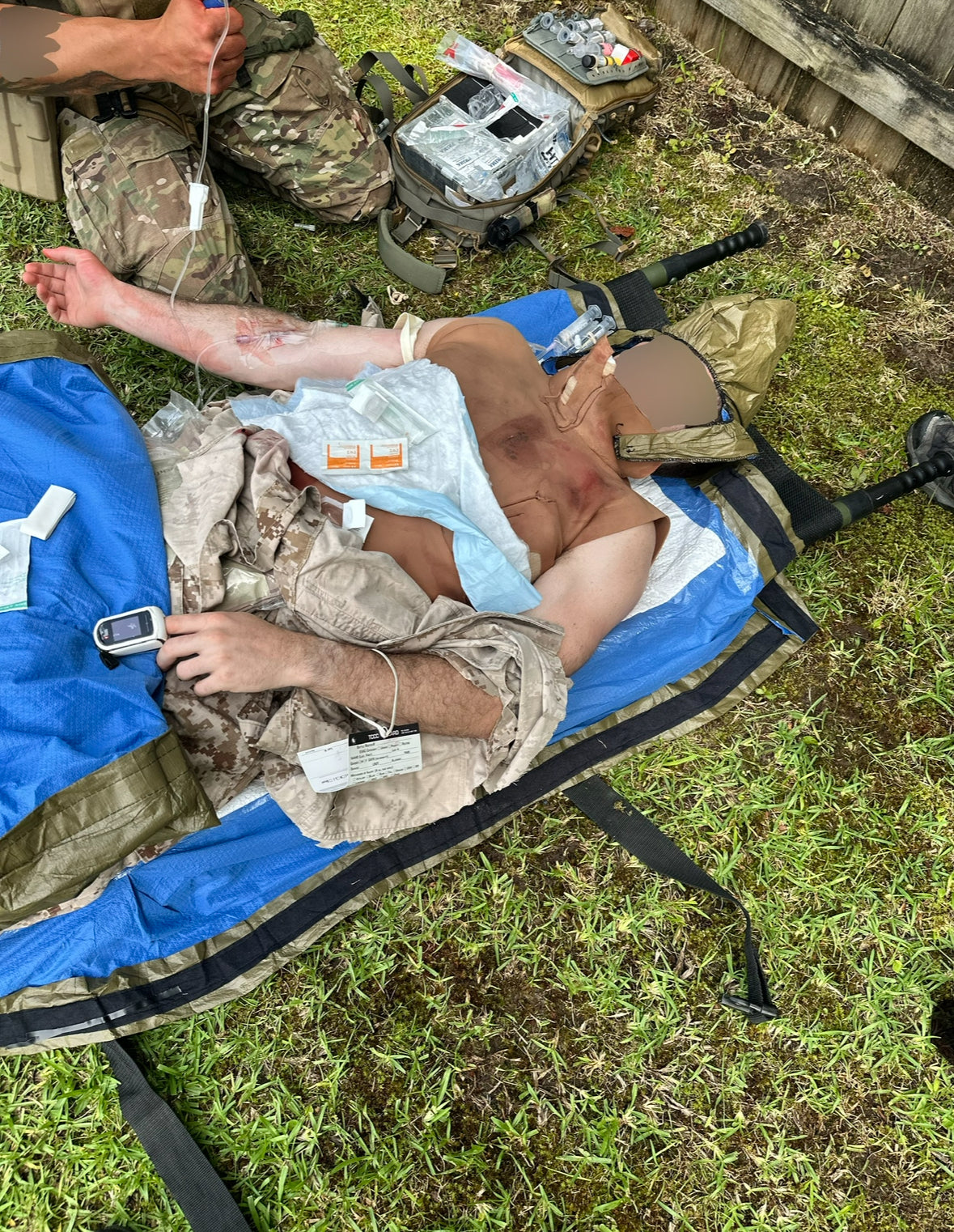
Welcome to the BoneGoat Aid Station


This is your spot for educational content, training aids, best practices, and lessons learned. Whether you’re dialing in your kit or brushing up on life-saving skills, the BoneGoat Aid Station is built to keep you sharp, informed, and mission-ready. Got ideas, questions, or feedback? We want to hear it. Reach out on our CONTACT form or drop us a DM on Instagram @hoofandskull.
Education

For the best experience, view the INTERACTIVE BoneGoat Pub's on a desktop or tablet.

Training Aids

Downloadable Version of BoneGoat Pubs

Note: In the PDF version, the blue hyperlinks are still functional. However, the buttons and table of contents are NOT functional and will not direct link you throughout the document.

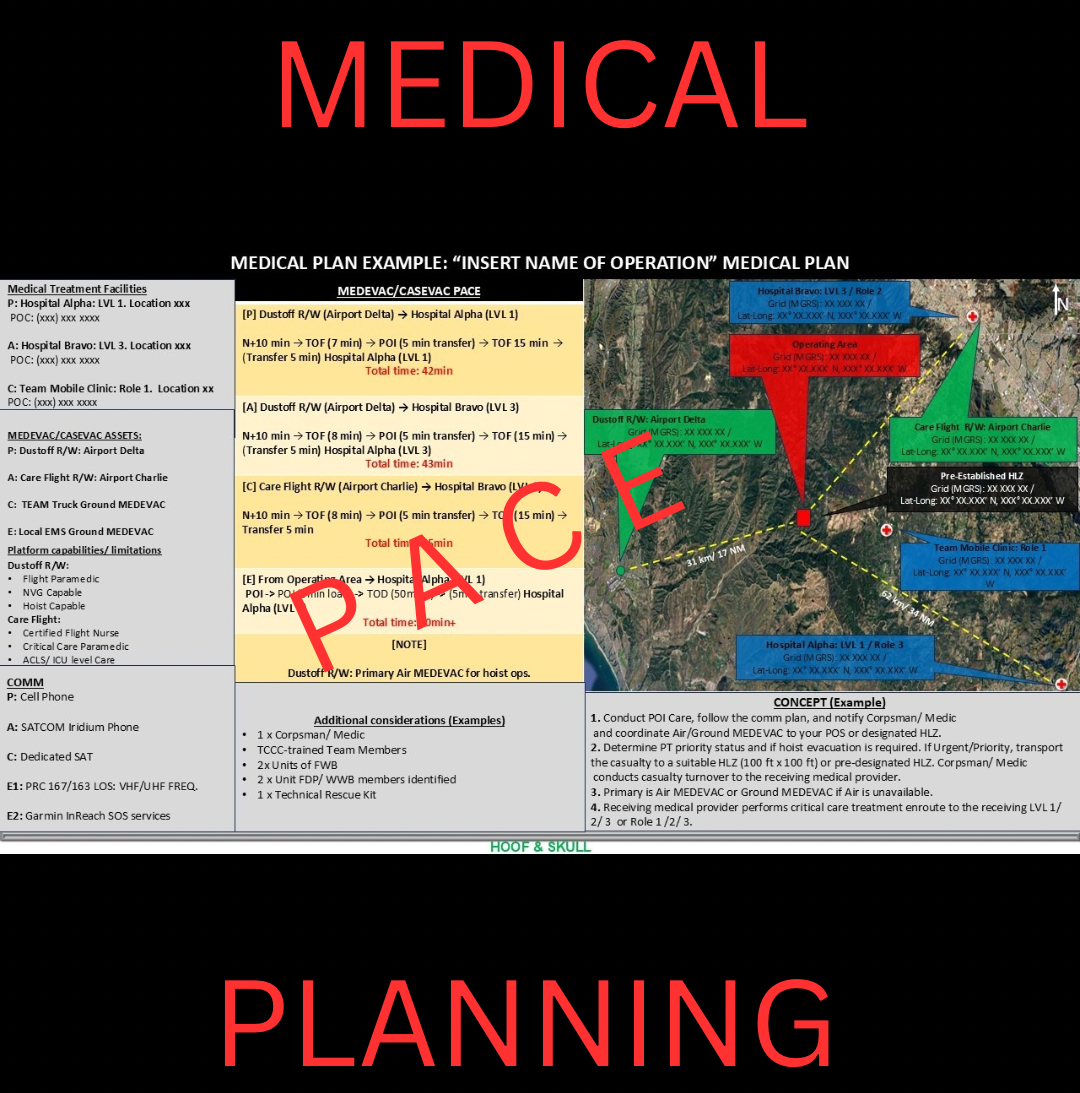
Downloadable Version of Med PACE Plan Template

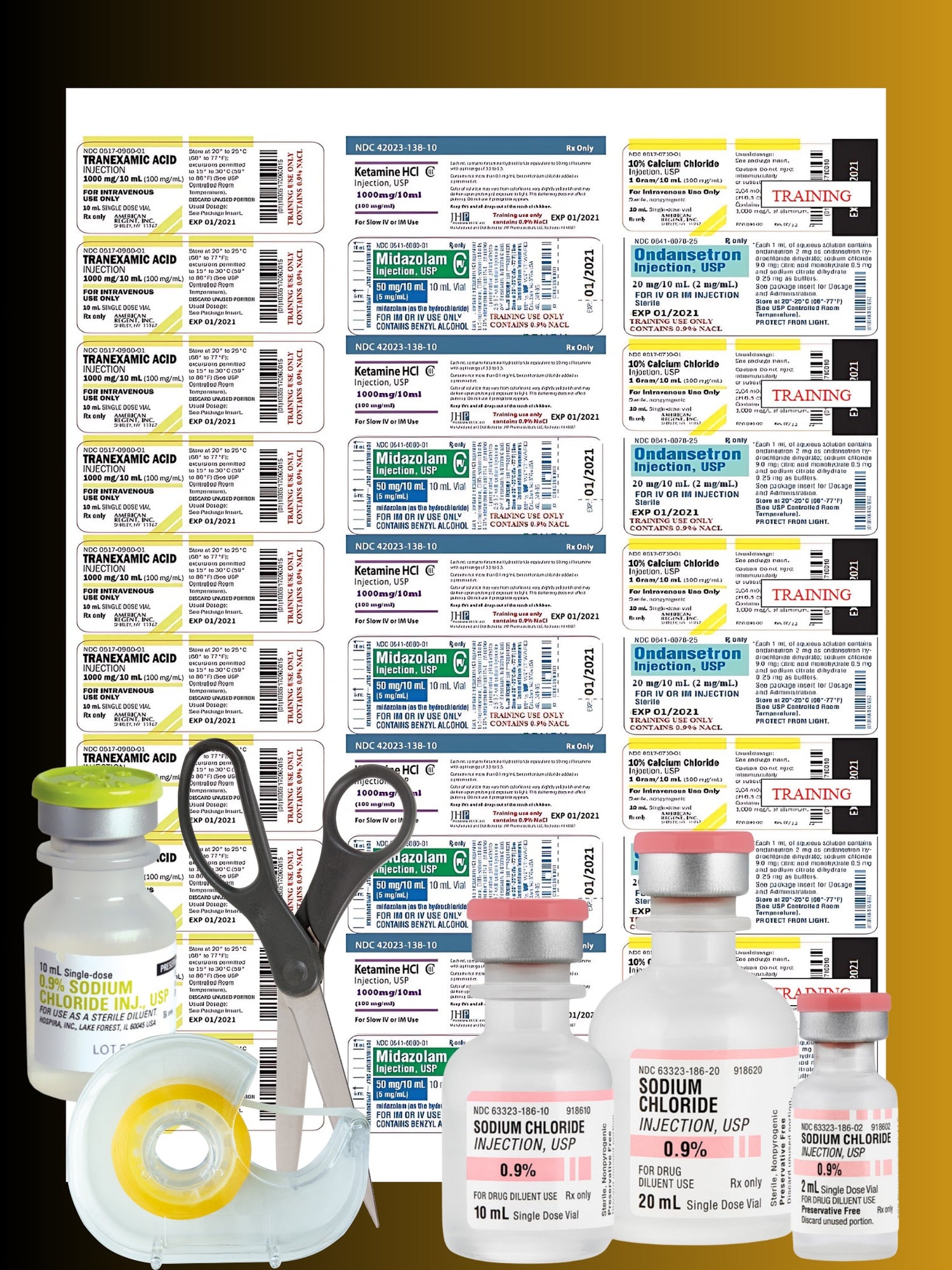
Medication Label Training Aids

Here you'll find a downloadable PDF of medication labels designed to be cut out and applied to Sodium Chloride 0.9% vials in various sizes, 2mL, 10mL, and 20mL.
For best practice, try to match the label to a vial size that would realistically hold that medication. That said, 10mL vials are the most commonly available and are perfectly suitable for training purposes.
This hands-on tool brings your training environment as close to reality as possible, reinforcing visual familiarity, drug identification under stress, and accurate dosage calculations based on common medication concentrations used in the field.

Building Better TCCC Lanes

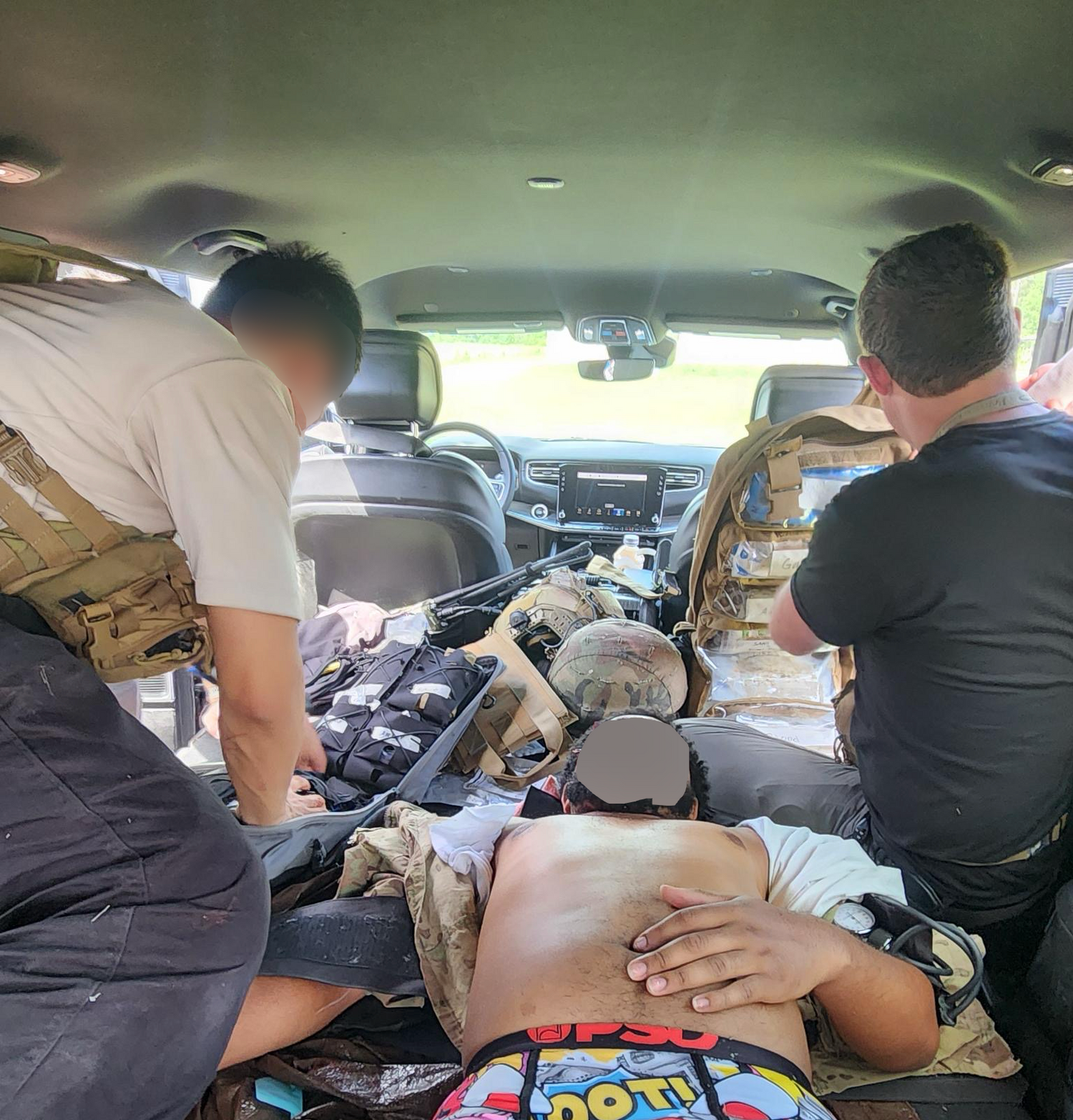
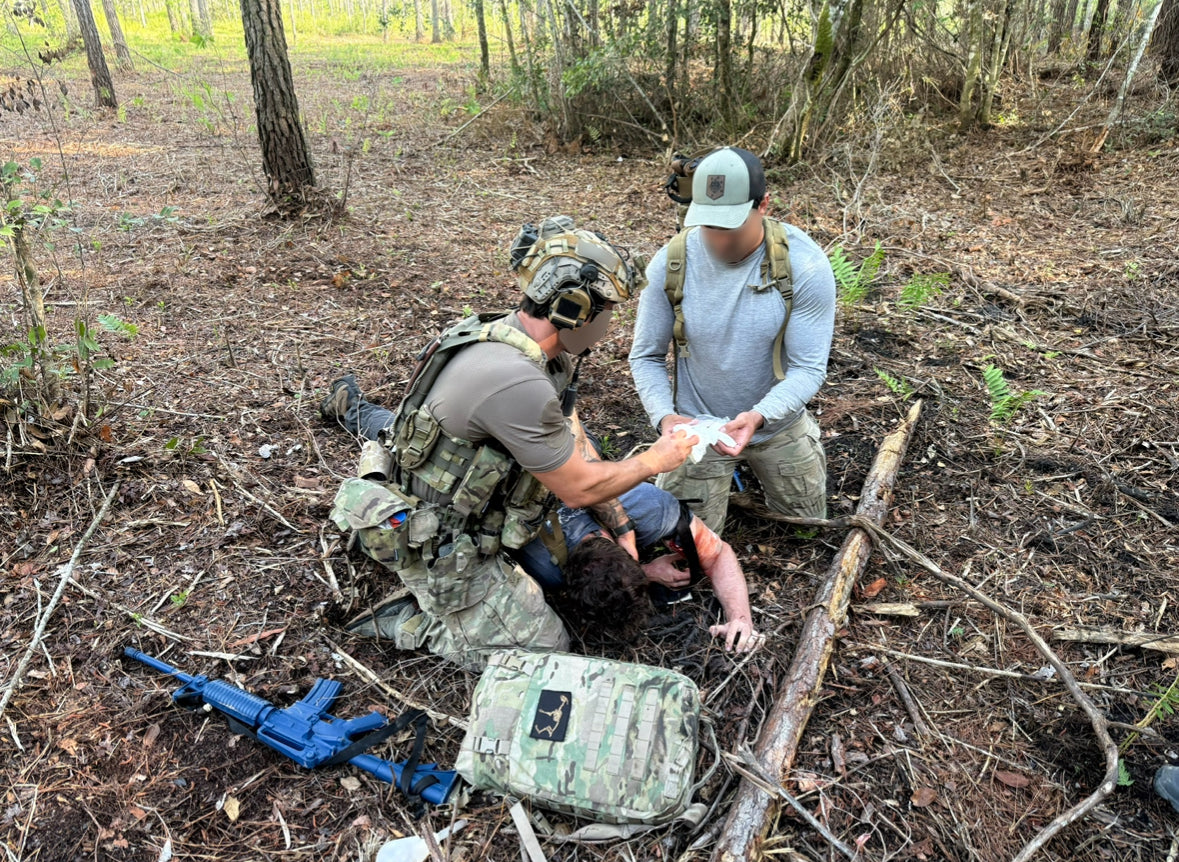
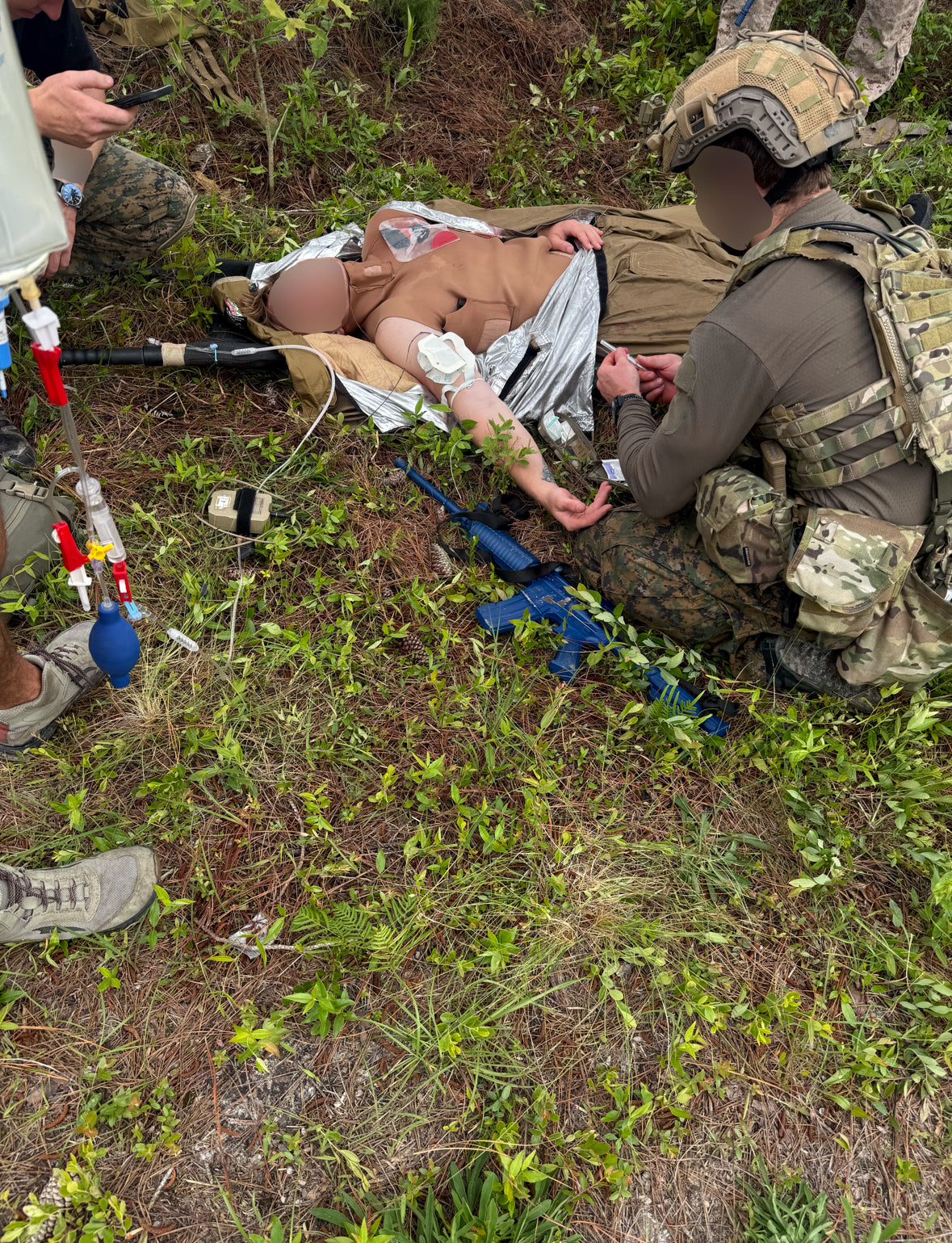
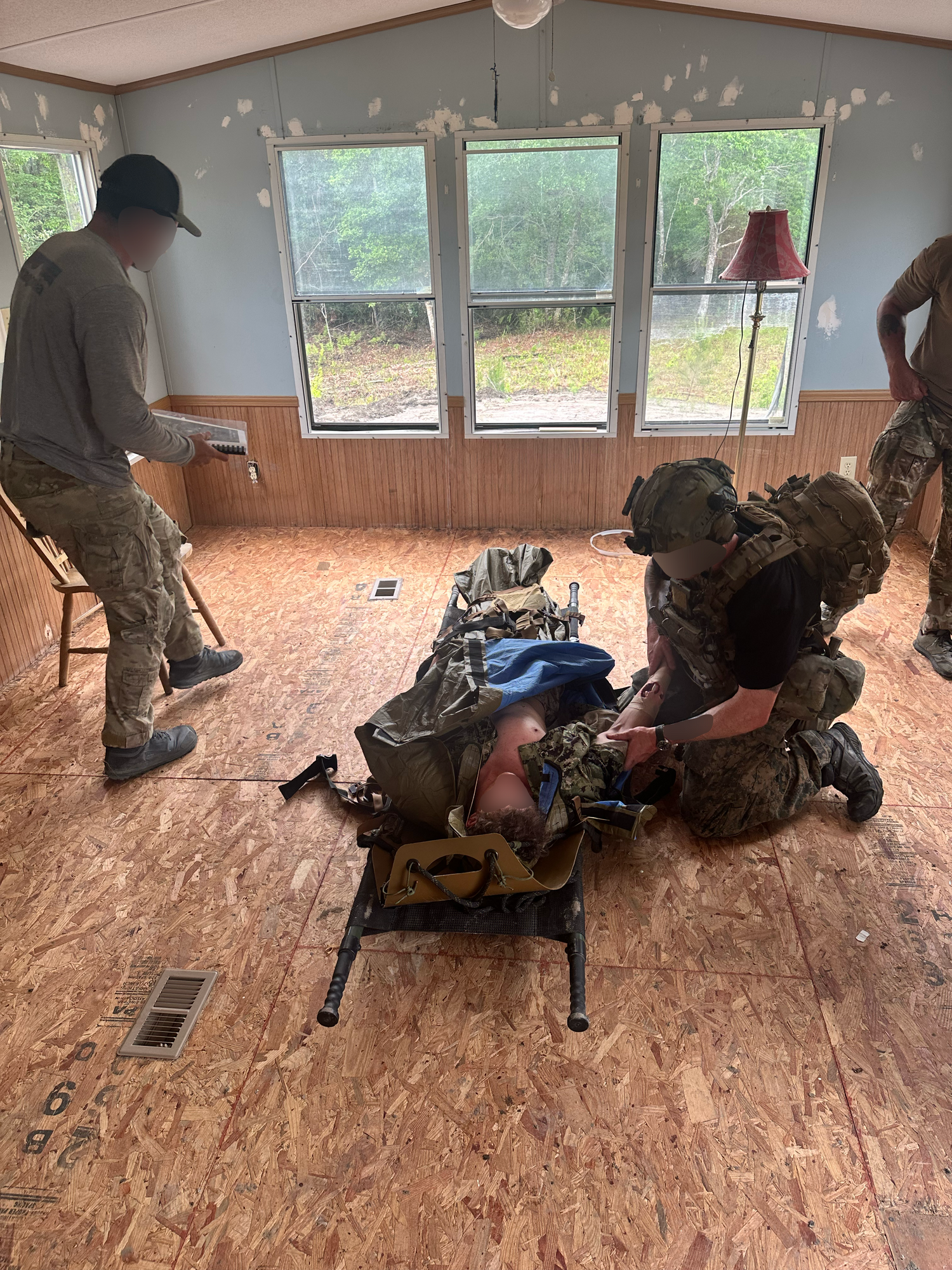
High-quality TCCC lanes are the backbone of combat medical readiness. Whether you are a brand-new medic learning to run scenarios, a senior medic, or instructor building a program of instruction, the core concept is always the same, create realistic training with a targeted end state, not notional medicine without a goal.

If you give your guys notional inputs, expect notional outputs. Poorly designed lanes don’t create better medics. Poorly designed lanes create training scars. Training scars can get people killed.

This guide provides principles, not scripts, to help you design training that matches the mental, physical, and tactical realities of combat casualty care.

Furthermore, use this document as a supplement to the Next Generation Combat Medic guide on “Enhancing TCCC through Optimized Simulation.”